Chart of the Week
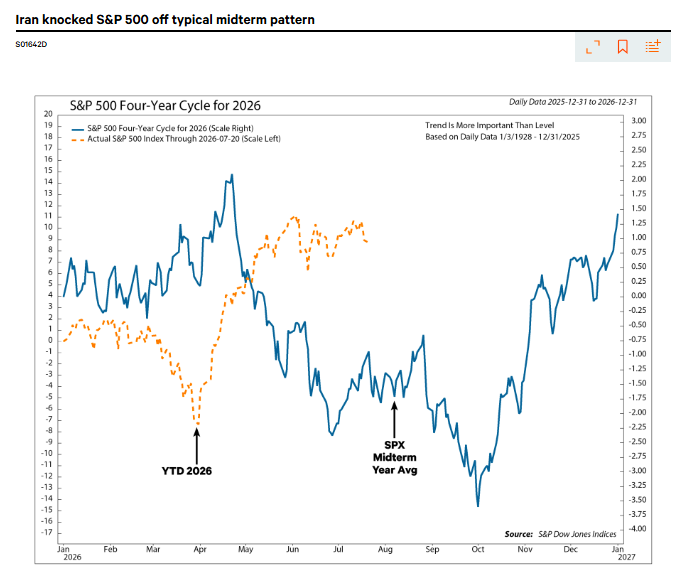
Heading into 2026, the U.S. midterm elections ranked high on investors’ lists of potential market-moving events. However, attention has shifted elsewhere as many now view the election outcome as...
Chart of the Week
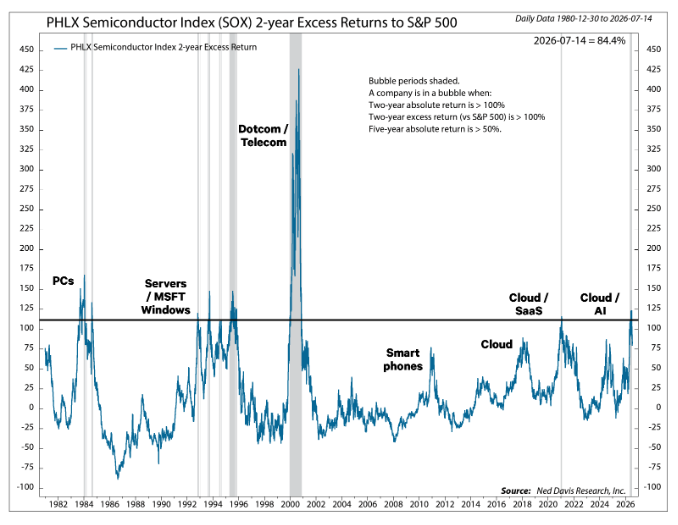
Following NDR's July 16 webinar, The AI Datacenter Boom: Bubble, Supercycle, or Something In Between?, investors are asking an important question: what could bring the AI datacenter boom to an end?
Chart of the Week
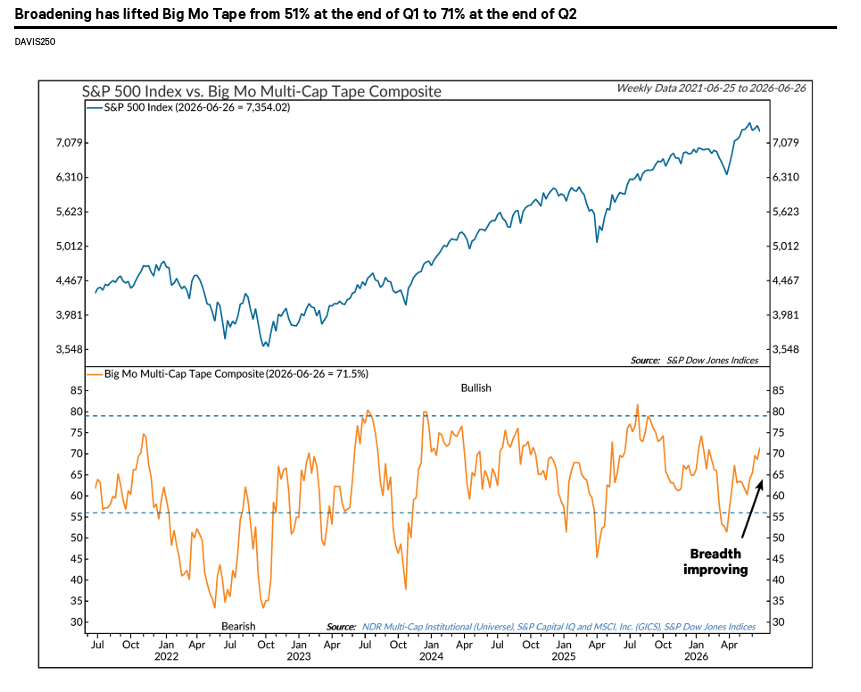
Market leadership is evolving. While investors have focused heavily on a narrow group of market winners in recent quarters, recent market action suggests participation may be broadening as...
Chart of the Week
NDR’s Strategic Asset Allocation team examines one of the most important questions facing allocators today: do private markets genuinely improve portfolio outcomes, or are their perceived benefits...
Chart of the Week
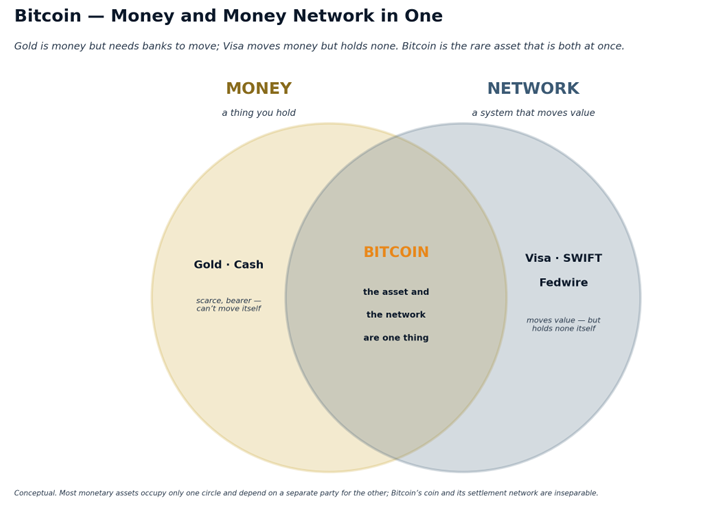
NDR’s Strategic Asset Allocation team explores a foundational shift underway in the financial system, driven by the emergence of bitcoin as both a new form of money and a new settlement network. What...
Chart of the Week
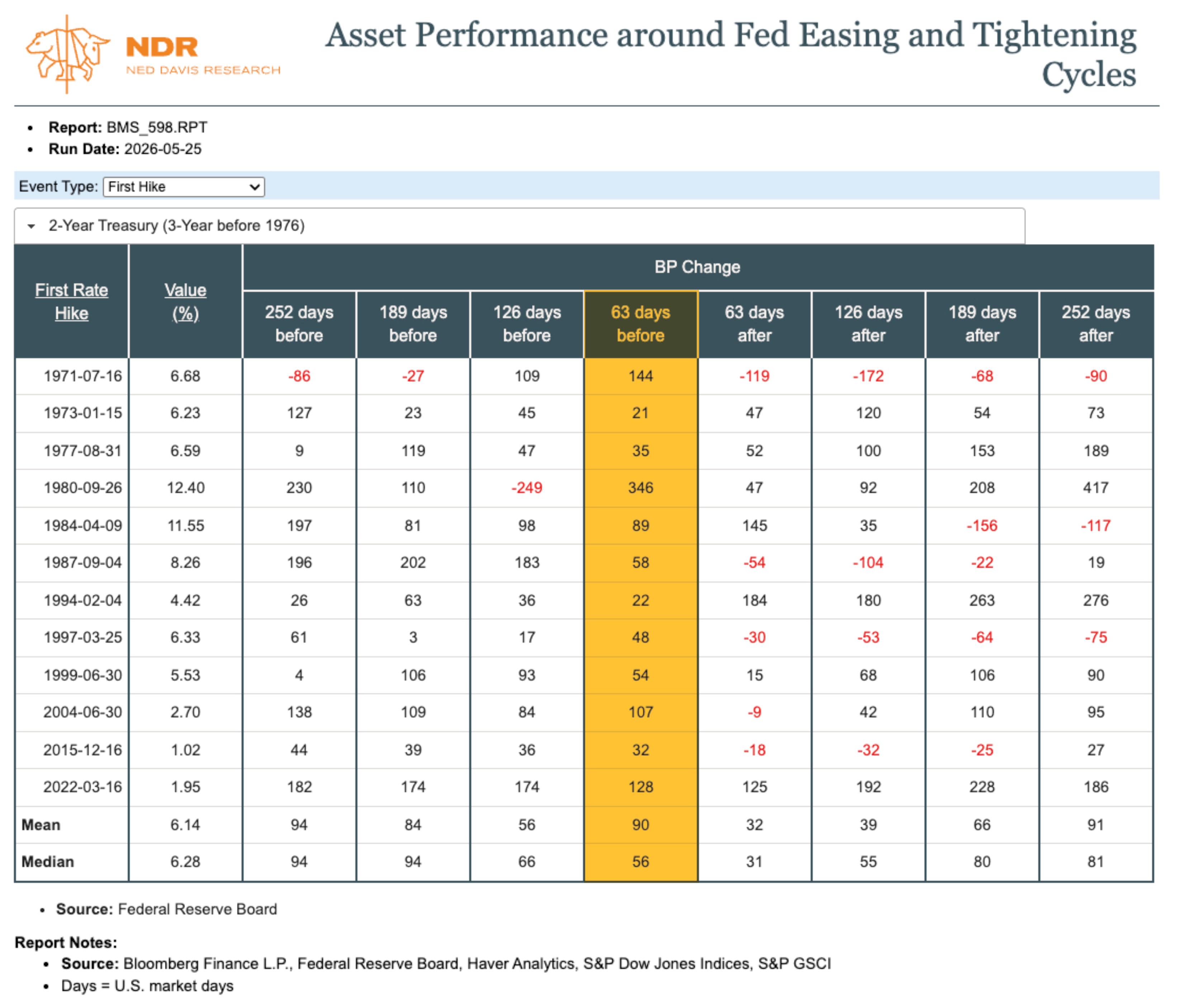
NDR’s latest macro view examines a meaningful shift in the Federal Reserve’s posture, as policymakers signal a more forceful commitment to restoring price stability even as inflation expectations...
Chart of the Week
Recorded June 9, 2026 - in this episode, NDR's Chief Economist Alejandra Grindal discusses China's economy. Alejandra notes that China’s economy is best described as resilient at the headline level...
Chart of the Week
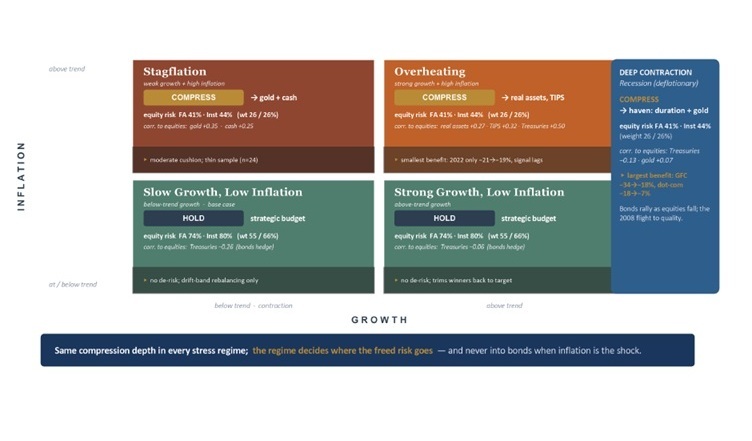
Traditional portfolio construction often centers on the 60/40 framework, but many investors overlook a critical distinction: asset allocation is not the same as risk allocation. While portfolios may...
Chart of the Week
NDR’s Strategic Asset Allocation (SAA) framework is evolving as client feedback and new research continue to shape how portfolios are built and applied. Recent conversations highlight a growing focus...
Chart of the Week
NDR’s Strategic Asset Allocation framework continues to evolve as market dynamics test traditional assumptions around diversification, risk, and portfolio construction. In this SAA two-part series,...